

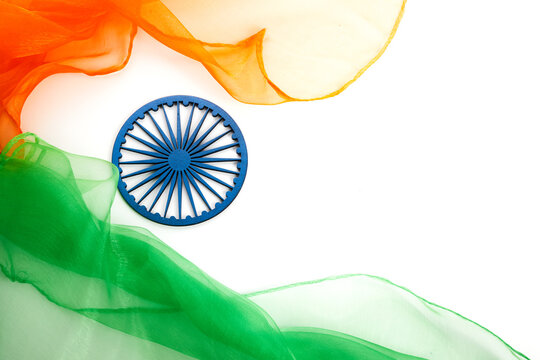

Independence Day: Indian Independence Day is celebrated on August 15th every year to commemorate the day in 1947 when India gained independence from British rule. On this day, the Indian Independence Act of 1947 came into effect, leading to the partition of India and the creation of two independent nations, India and Pakistan. (Independence Day)
The day is marked by various events and celebrations across the country. The main event takes place in the capital, New Delhi, where the Prime Minister hoists the national flag at the Red Fort and delivers a speech to the nation. The flag hoisting is accompanied by the singing of the national anthem, patriotic songs, and a salute to the national flag.
People across India celebrate Independence Day with enthusiasm and patriotic fervor. Many organize flag hoisting ceremonies in their localities, and cultural programs, parades, and events are held to showcase the rich cultural diversity of the country. The day is also an occasion to remember and honor the sacrifices made by the freedom fighters who fought for India’s independence.
Independence Day is a national holiday in India, and it is a time for reflection on the country’s progress and a celebration of its unity in diversity.
The national flag of India, also known as the “Tiranga” (meaning tricolor), is a symbol of the country’s sovereignty and identity. The flag was adopted on July 22, 1947, shortly before India gained independence from British rule.
The design of the Indian national flag is based on the Swaraj flag, which was designed by Pingali Venkayya. The flag has three horizontal stripes of equal width. From top to bottom, the colors of the stripes are:
Saffron: The topmost stripe is saffron, representing courage, sacrifice, and the spirit of renunciation.
White: The middle stripe is white, symbolizing truth, peace, and purity.
Green: The bottom stripe is green, representing faith, fertility, and valor.
In the center of the white stripe, there is a navy blue Ashoka Chakra (wheel) with 24 spokes. The Ashoka Chakra represents the law of dharma (duty or righteousness) and is inspired by the Lion Capital of Ashoka, an ancient sculpture found in Sarnath, India.
The ratio of the width to the length of the flag is 2:3. The national flag is flown by citizens on various occasions, and its display is governed by a code of conduct. It is hoisted on important national and state buildings, schools, and public places during national festivals and events. The Indian national flag is a symbol of unity, diversity, and the country’s rich heritage.
ఇదీ చదవండి: Creatures in Sea: Creatures that live in the sea.. most interesting facts about sea